Physics Wallah
PW Quick Learning UX case study showcasing micro-learning, engagement, and short-form content experience
Project Focus: EdTech Engagement

 Physics Wallah
PW Quick Learning is a micro-learning feature designed to help students learn concepts through short, engaging videos within the Physics Wallah ecosystem.
PW Quick Learning is a micro-learning feature designed to help students learn concepts through short, engaging videos within the Physics Wallah ecosystem.
With the increasing popularity of short-form content, students are shifting towards faster and more engaging ways of consuming information. However, traditional learning platforms rely heavily on long-form lectures, making quick revision and concept reinforcement difficult.
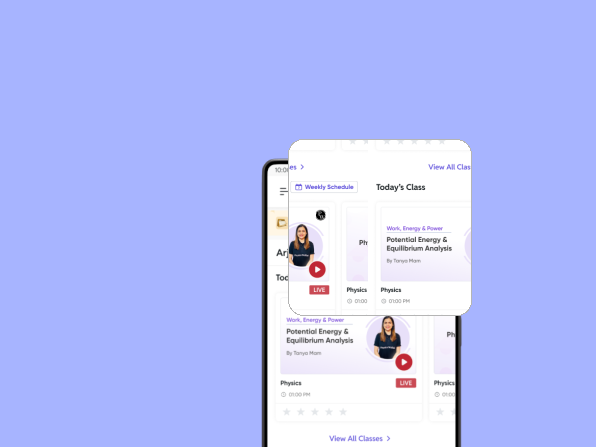
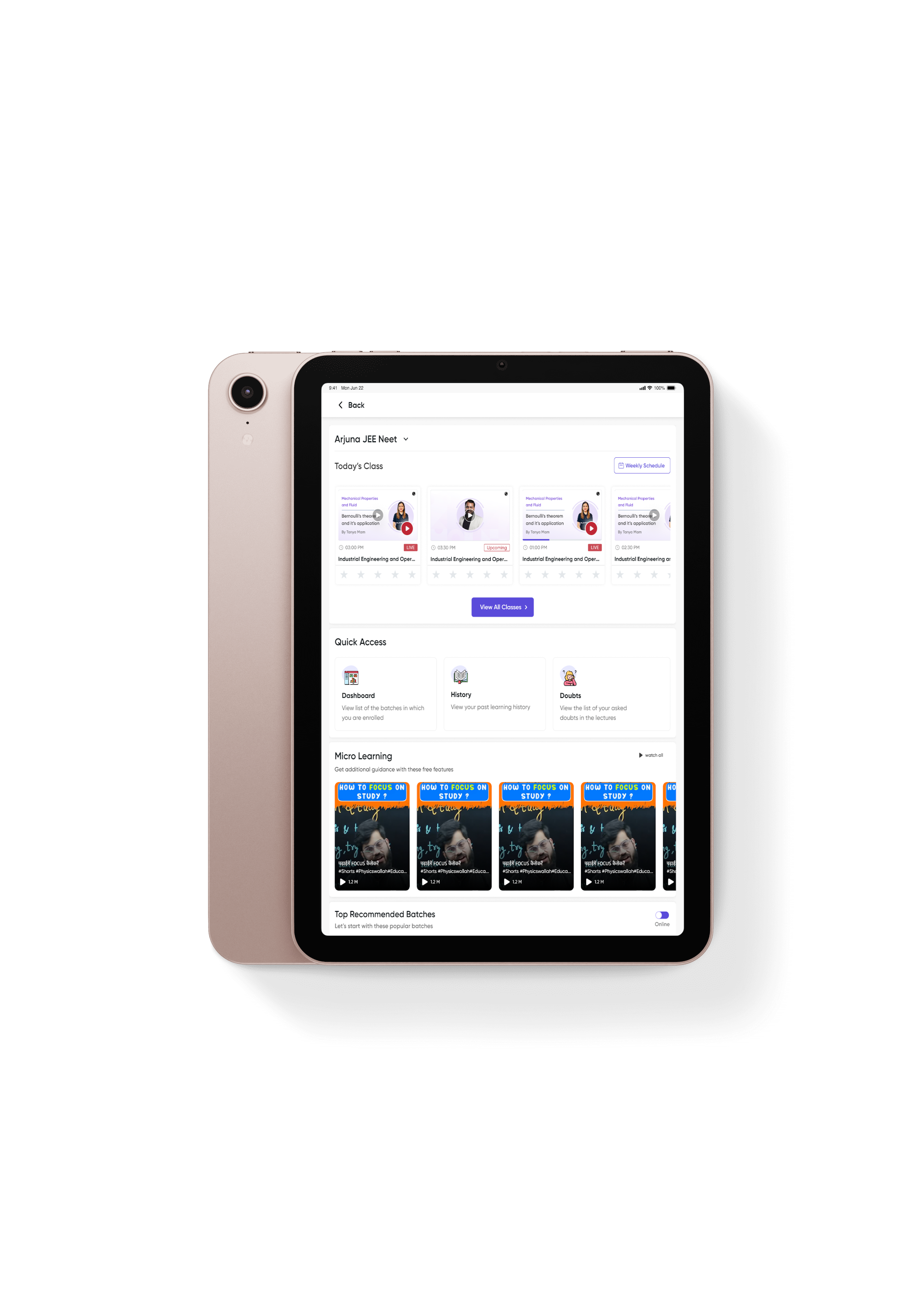
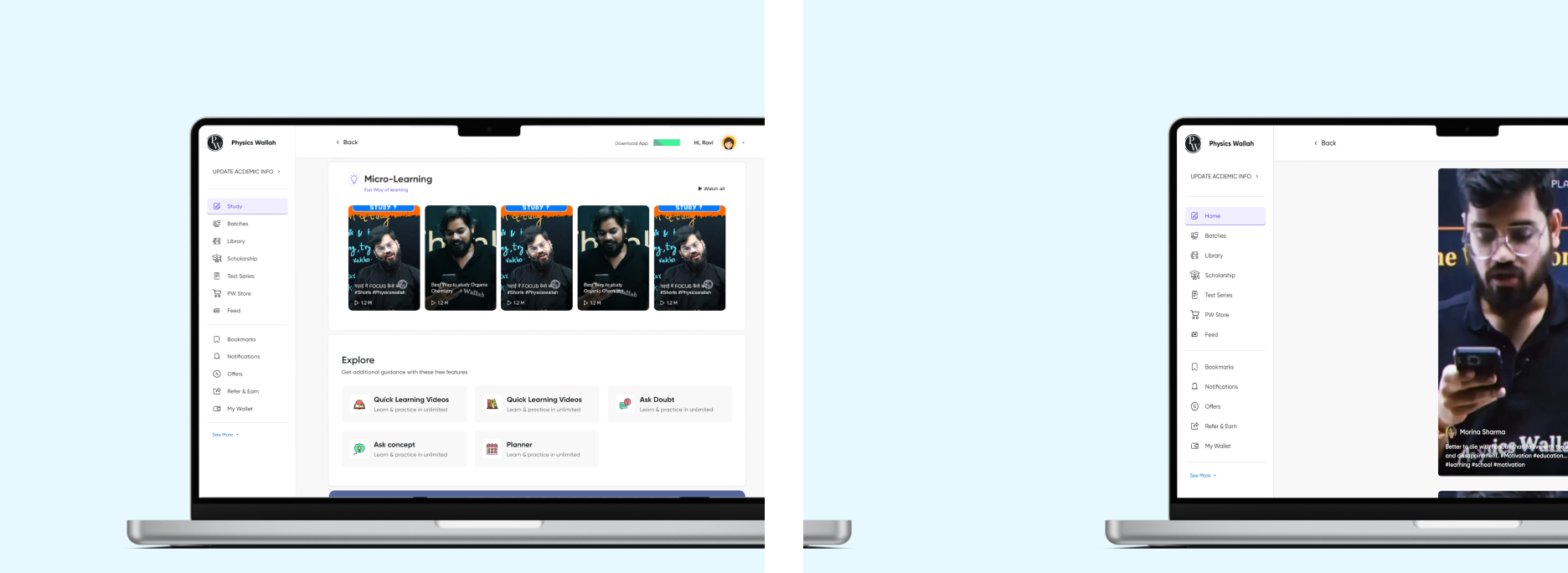
The Quick Learning experience introduces a scrollable, video-based learning interface where students can quickly understand concepts, revise topics, and stay engaged while continuing their structured learning journey.
The goal of this feature is to create a fast, engaging, and accessible learning experience that improves concept retention while increasing student engagement on the platform.

Challenges
Students struggled with revising concepts quickly due to long lecture formats and lack of short-form content. Designing a system that delivers meaningful learning in a short duration while maintaining educational quality was a key challenge.
Balancing engagement with learning was also difficult, as short-form content can easily become distracting rather than educational. Additionally, integrating this feature into an existing structured learning ecosystem without disrupting the core experience required careful design decisions.
Solutions
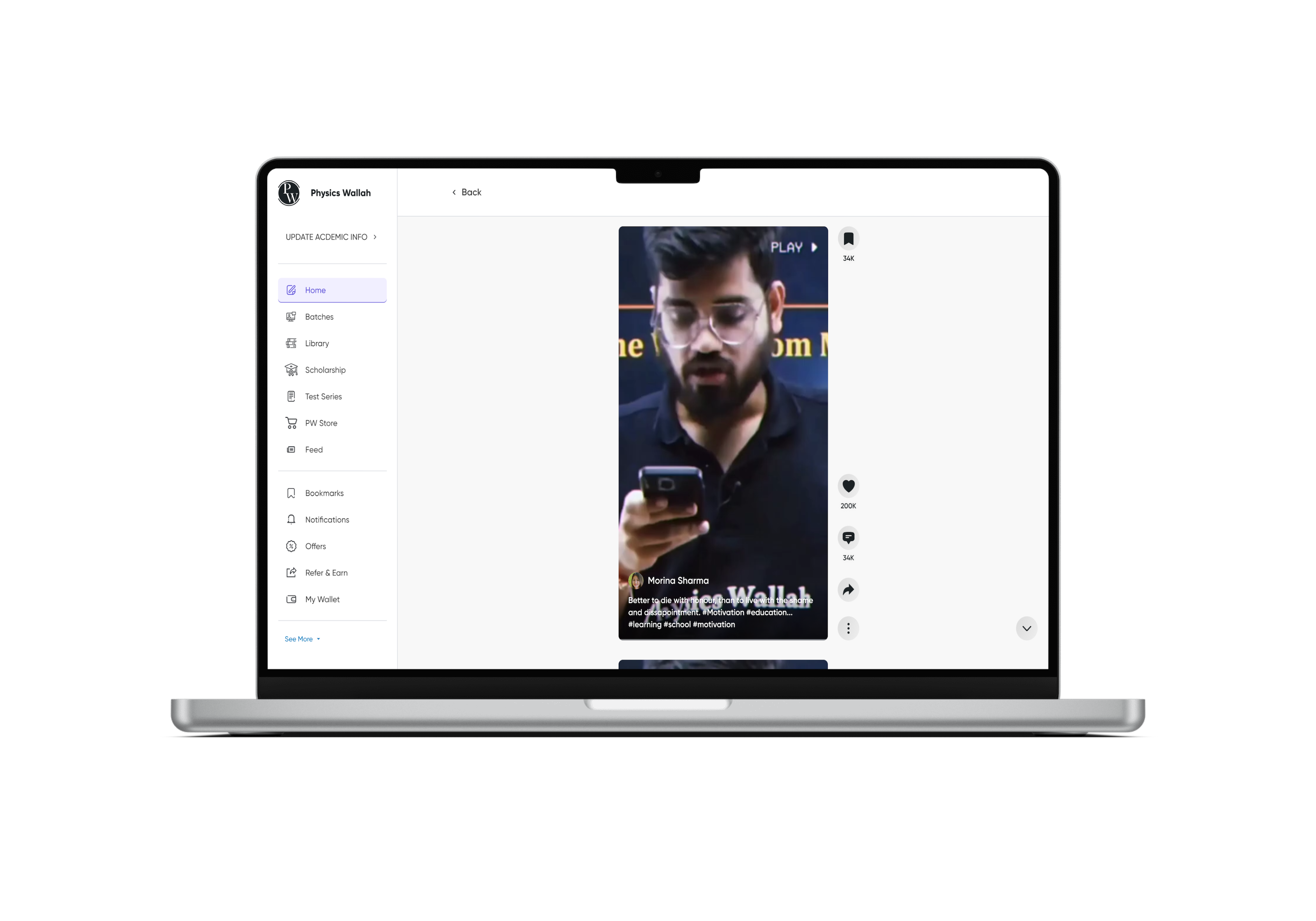
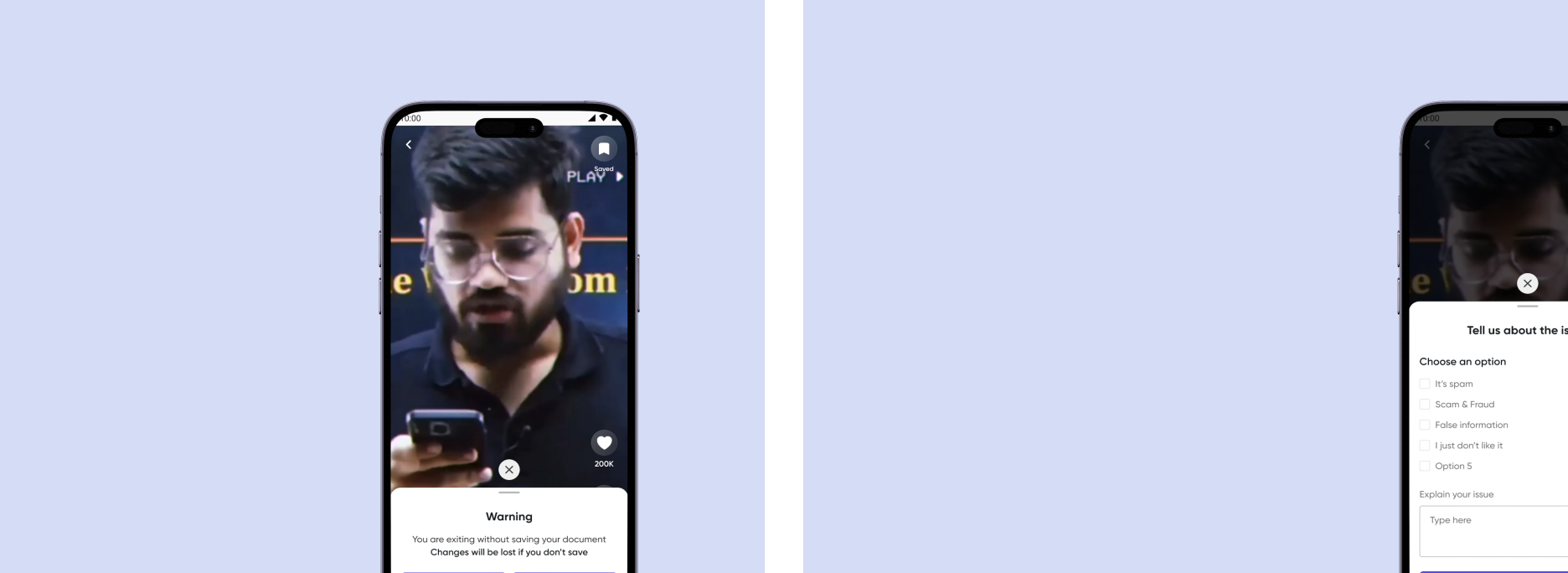
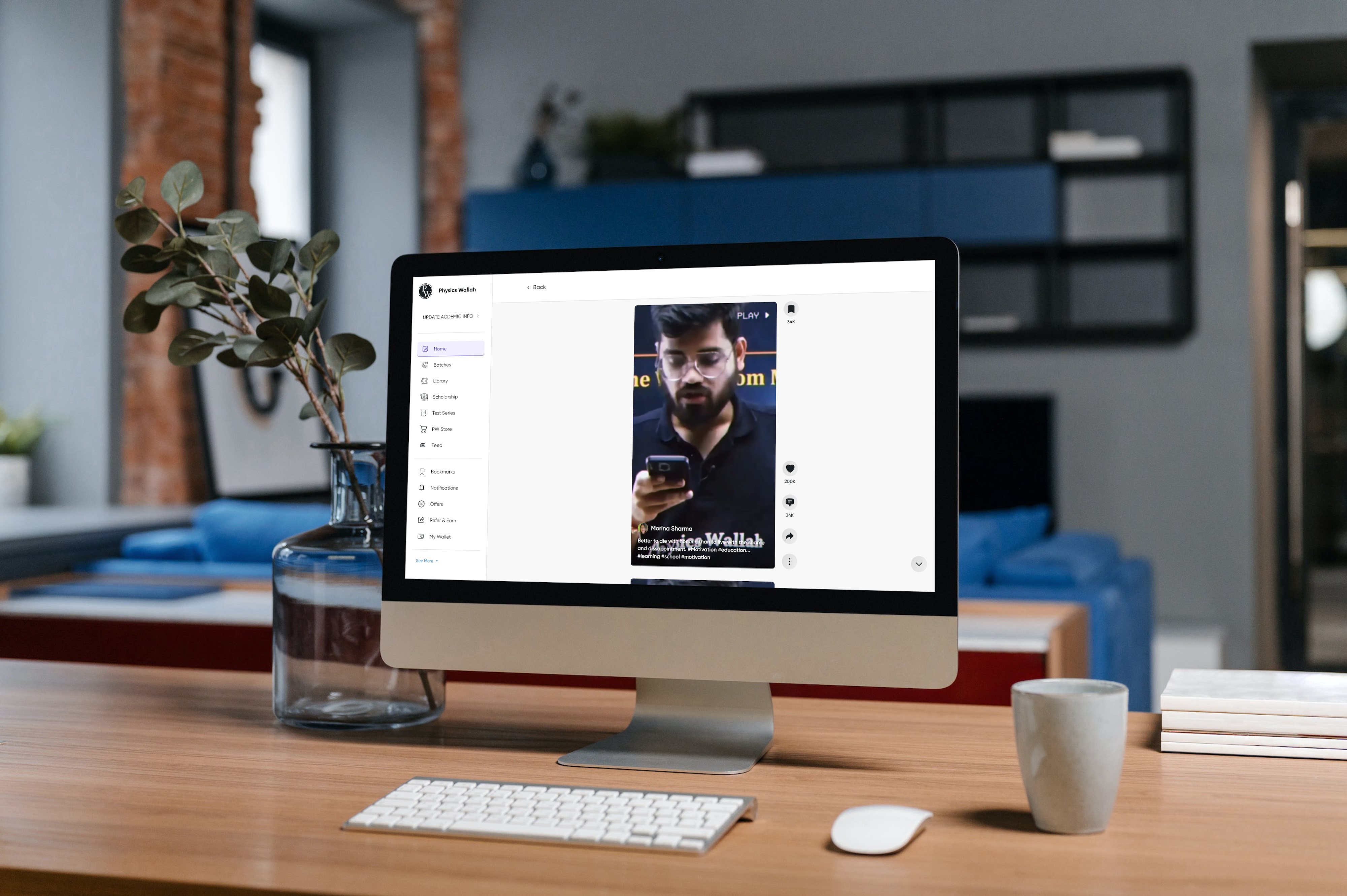
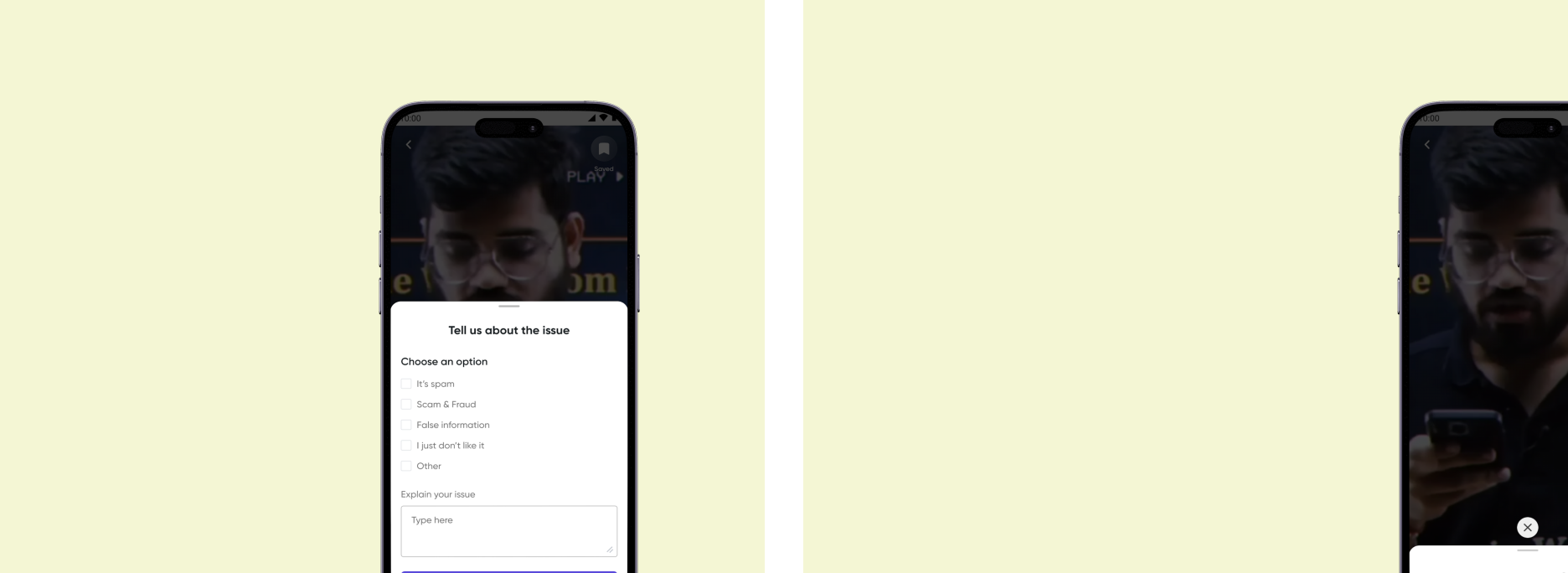
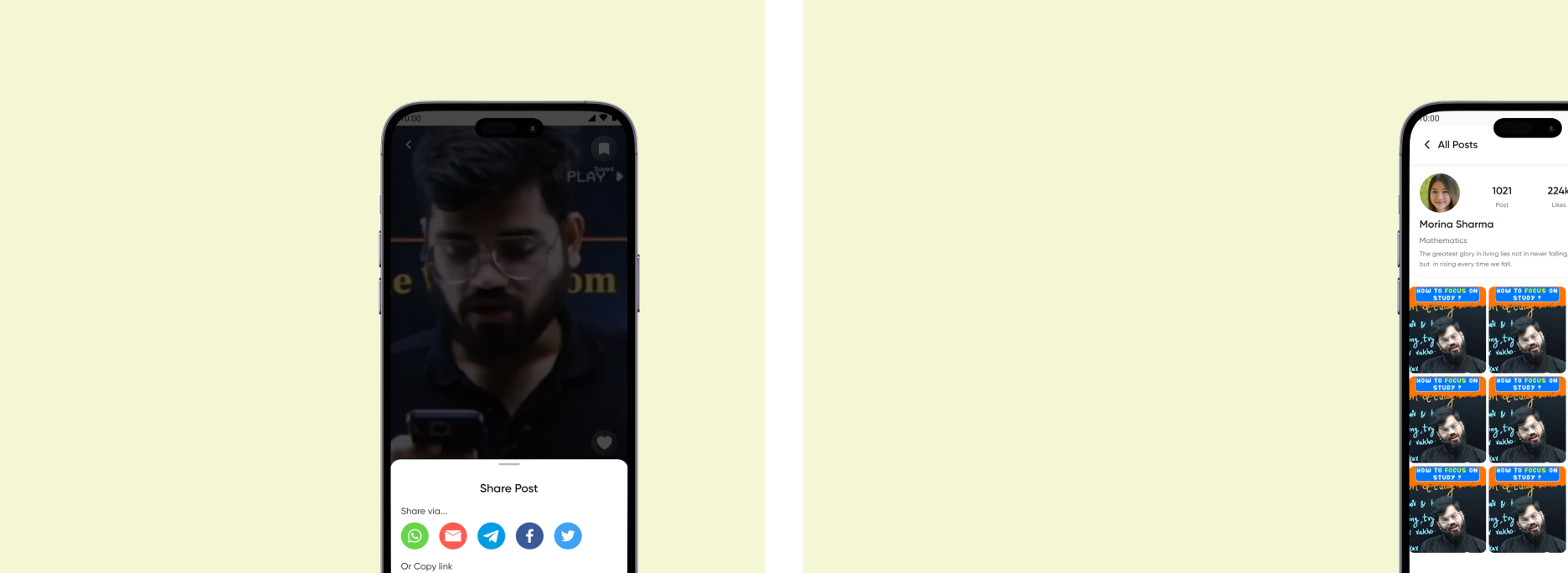
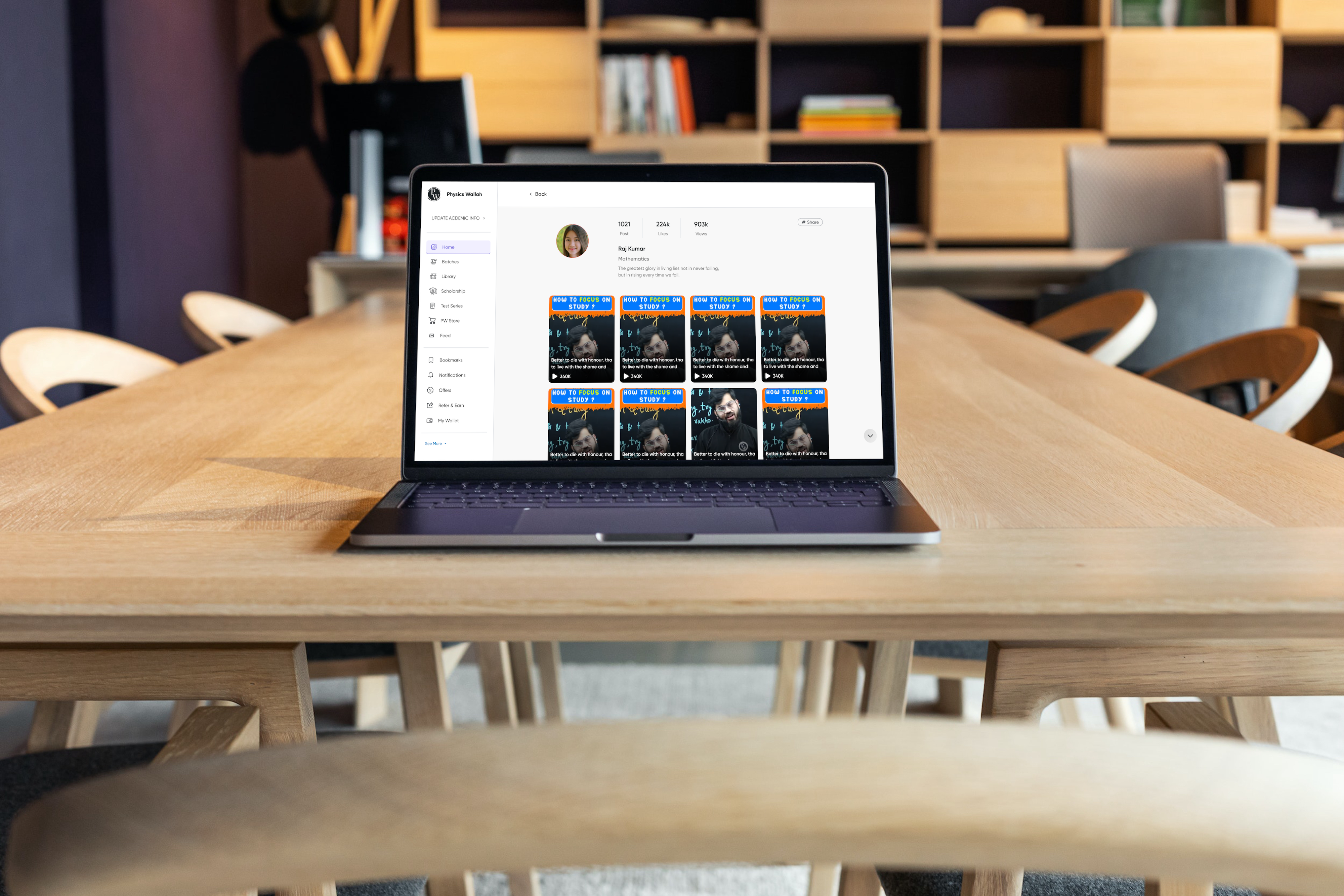
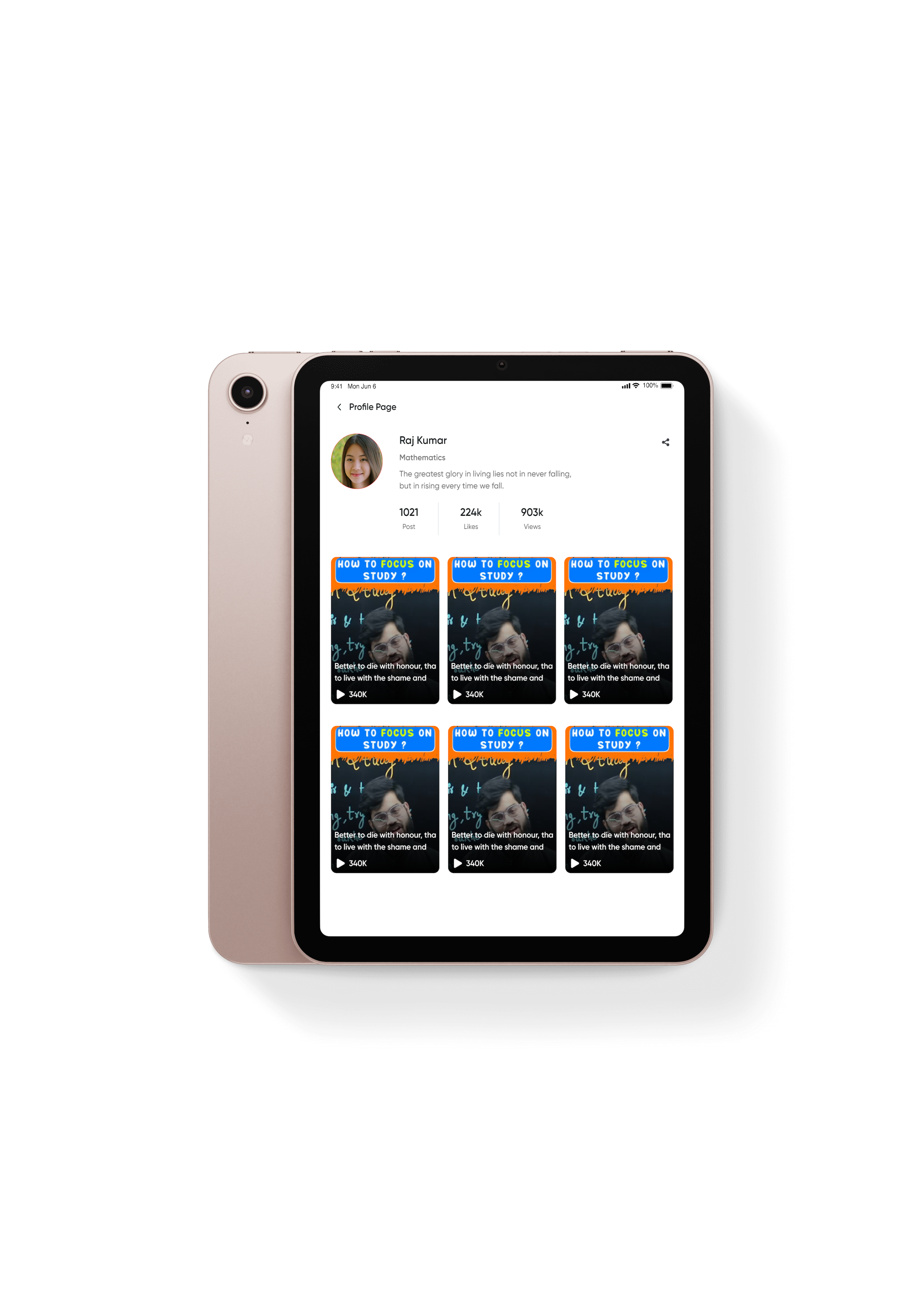
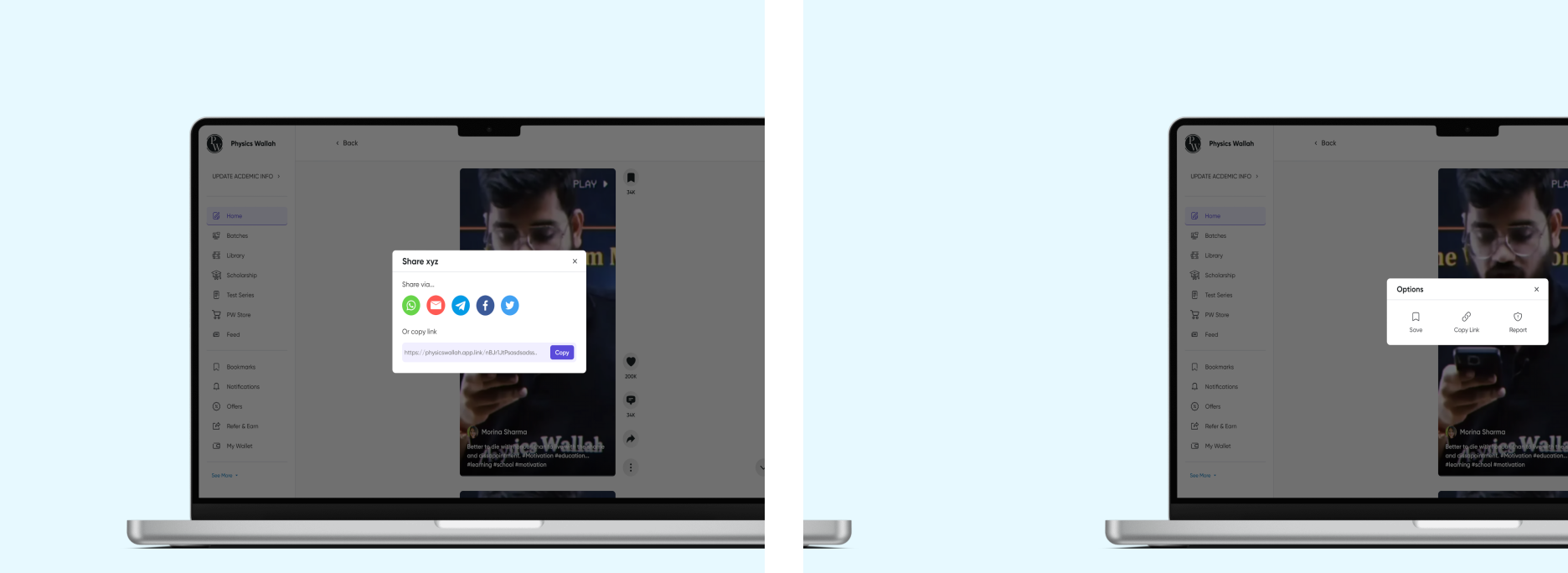
A micro-learning video feed was designed to provide quick and engaging concept explanations. The experience includes intuitive interactions such as scrolling, saving, and commenting to enhance engagement.
Educational content was structured into short, focused videos to ensure clarity and retention. The interface was designed to feel familiar and interactive while still maintaining a strong educational purpose.
This solution enables students to learn faster, stay engaged, and seamlessly transition from quick learning to detailed lectures.
Key Services
Research
Research was conducted through interviews and behavioral analysis of students preparing for competitive exams. The goal was to understand how students consume content, revise topics, and engage with digital learning platforms.
Insights revealed that students prefer quick, visual explanations for revision and often switch to external platforms for short-form learning. This highlighted the need for an integrated micro-learning experience within the platform.
Pain point discovered
Strategy
The strategy focused on integrating micro-learning into the existing learning ecosystem without disrupting structured courses, creating a balanced experience between engagement-driven content and structured education.

Integrated Learning Experience
Connecting short-form learning with full lectures and batches.

Engagement-Driven Design
Using familiar interaction patterns like scrolling and quick actions.
Focused Content Delivery
Breaking down concepts into short, understandable formats.
Retention Optimization
Designing content to improve recall and concept clarity.
Design Process
The design process followed a user-centered approach, starting with research to understand student behavior and learning needs.
Insights were translated into user flows and interaction models for short-form learning. Wireframes explored content structure and scrolling behavior, followed by high-fidelity designs focused on clarity and engagement.
Continuous testing and iteration helped refine the experience into a simple, intuitive, and effective micro-learning solution.





Outcome
The final solution delivered an engaging and intuitive micro-learning experience that improved student interaction and concept revision.
Students were able to quickly understand topics, revisit concepts, and stay engaged within the platform. The feature reduced dependency on external platforms and increased learning consistency.
Overall, Quick Learning created a faster, more engaging, and effective learning experience while strengthening the overall product ecosystem.